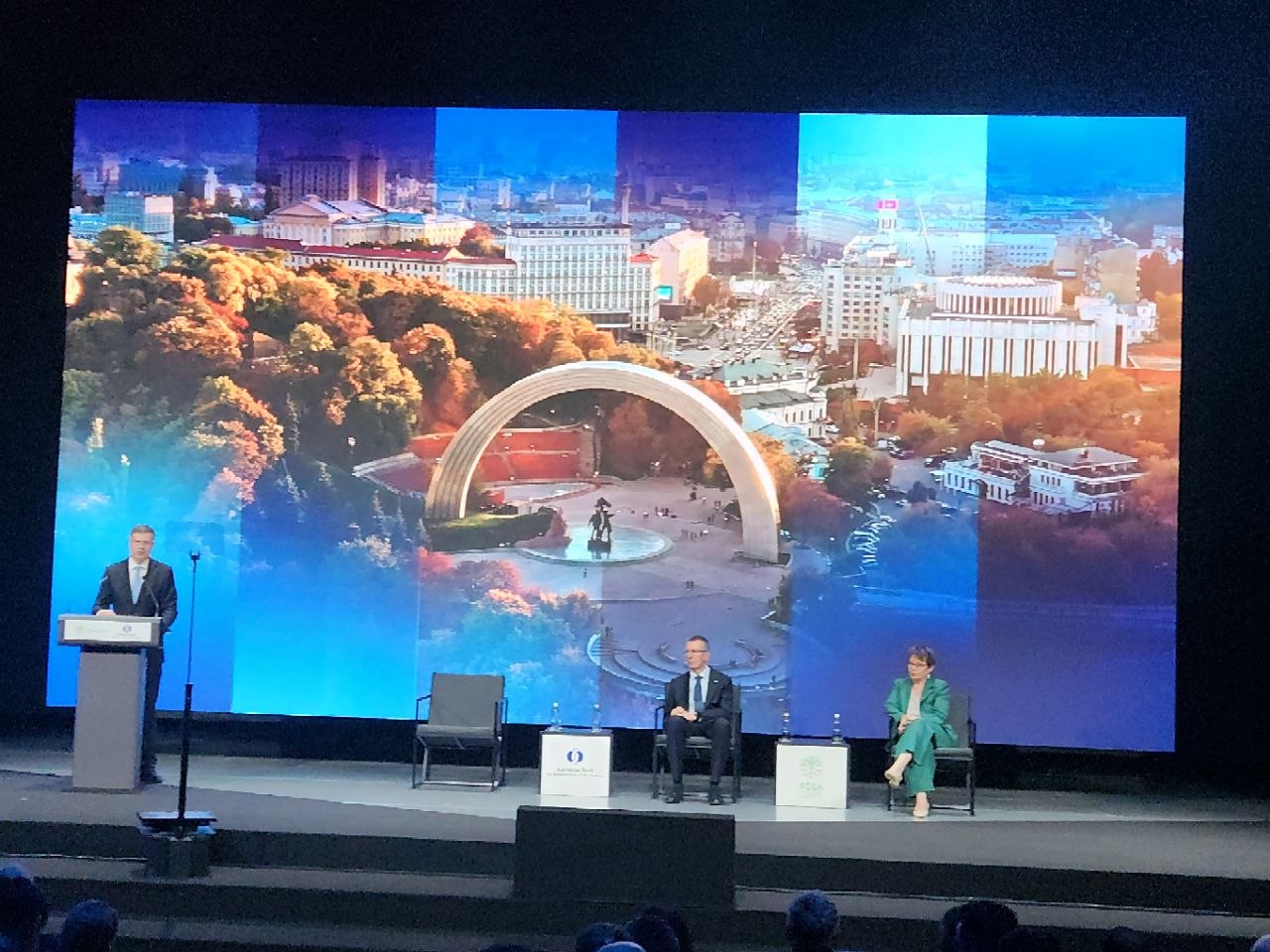
RIGA, LATVIA — The 35th Annual Meeting and Business Forum of the European Bank for Reconstruction and Development (EBRD) officially opened in Riga on June 5, 2026. Uzbekistan's delegation is participating in this prestigious global financial summit, including Mavlyudakhon Shirinova, Director of the Republican Center for Socio-Economic Development "SABR." This year's overarching theme — "From Instability to Resilience: Innovating Economies in a Changing World" — opens new strategic horizons for the development of the creative economy and social partnership.
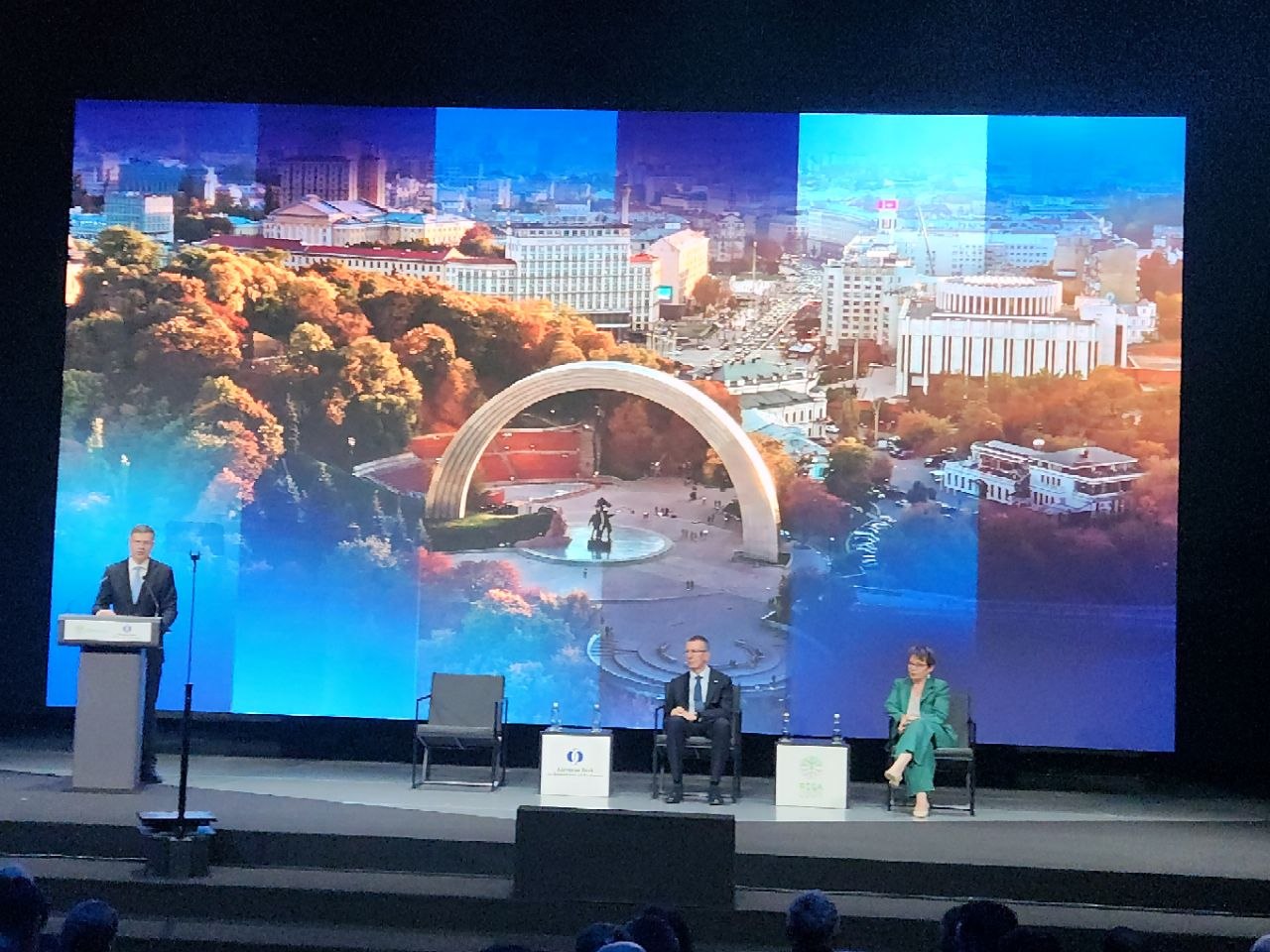
The summit was inaugurated at an opening ceremony attended by European political leaders. Welcoming remarks were delivered by the President of the Republic of Latvia, Edgars Rinkēvičs, who emphasized the importance of strengthening international financial stability, and by Executive Vice-President of the European Commission, Valdis Dombrovskis, who outlined the EU's position on sustainable development and macroeconomic resilience.
New Bridges Between Central Asia and Europe: Statement by the EBRD President
The keynote address of the first day came from EBRD President Odile Renaud-Basso. In her speech, she highlighted the strategic significance of the Central Asian region and the need to deepen its ties with the European space as part of the Bank's updated agenda.
"Today's global architecture requires us to build new, more flexible economic corridors. In the EBRD's updated strategy, expanding opportunities and deepening partnership between Central Asia and Europe becomes one of the key priorities. The region demonstrates enormous growth potential, and the Bank intends to actively support projects that connect markets, stimulate technology exchange, develop transport and logistics infrastructure, and — most importantly — advance inclusive innovation and women's entrepreneurship." — Odile Renaud-Basso, President of the EBRD
Civil Society in Focus: Innovation and Social Contracting
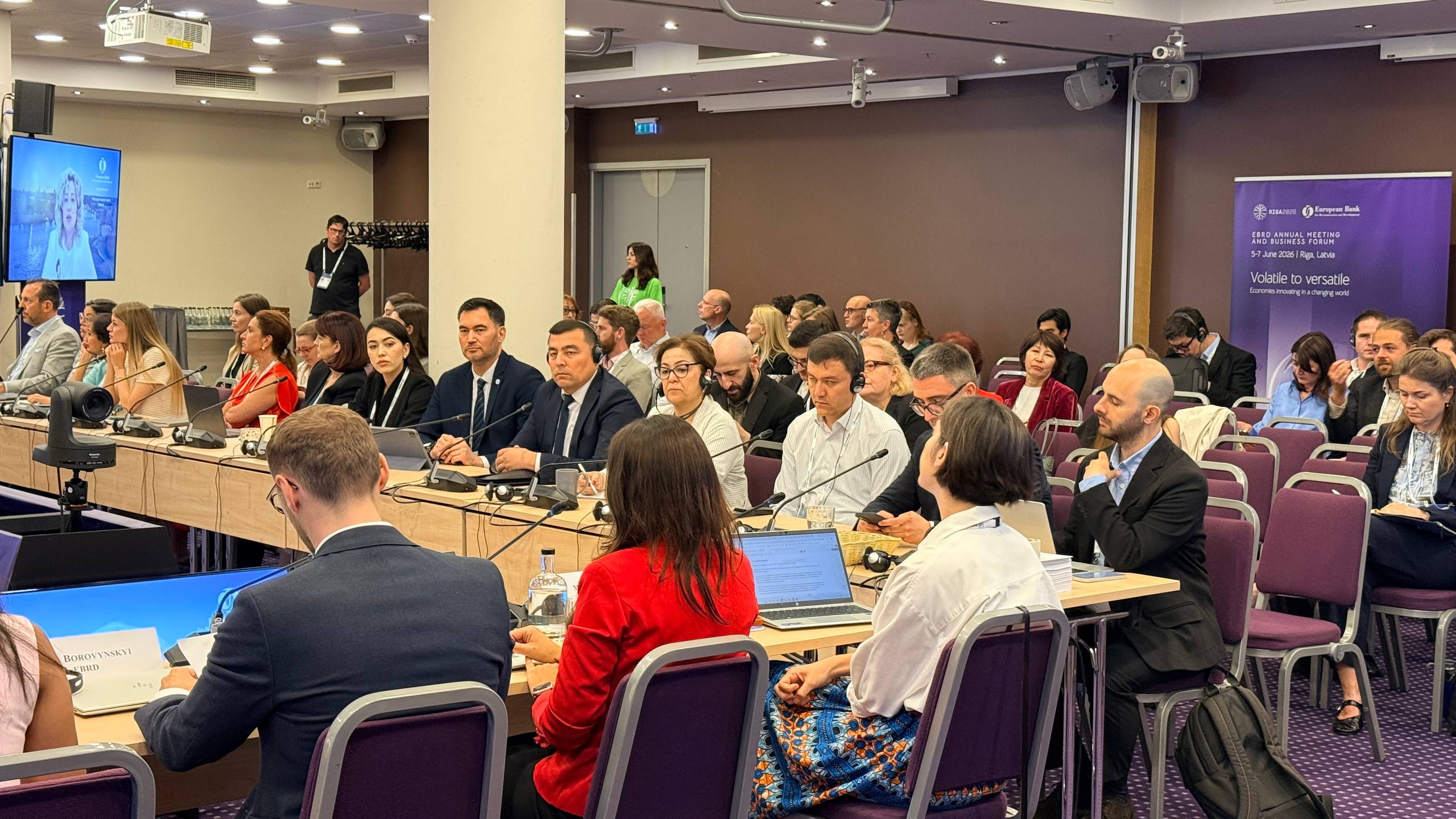
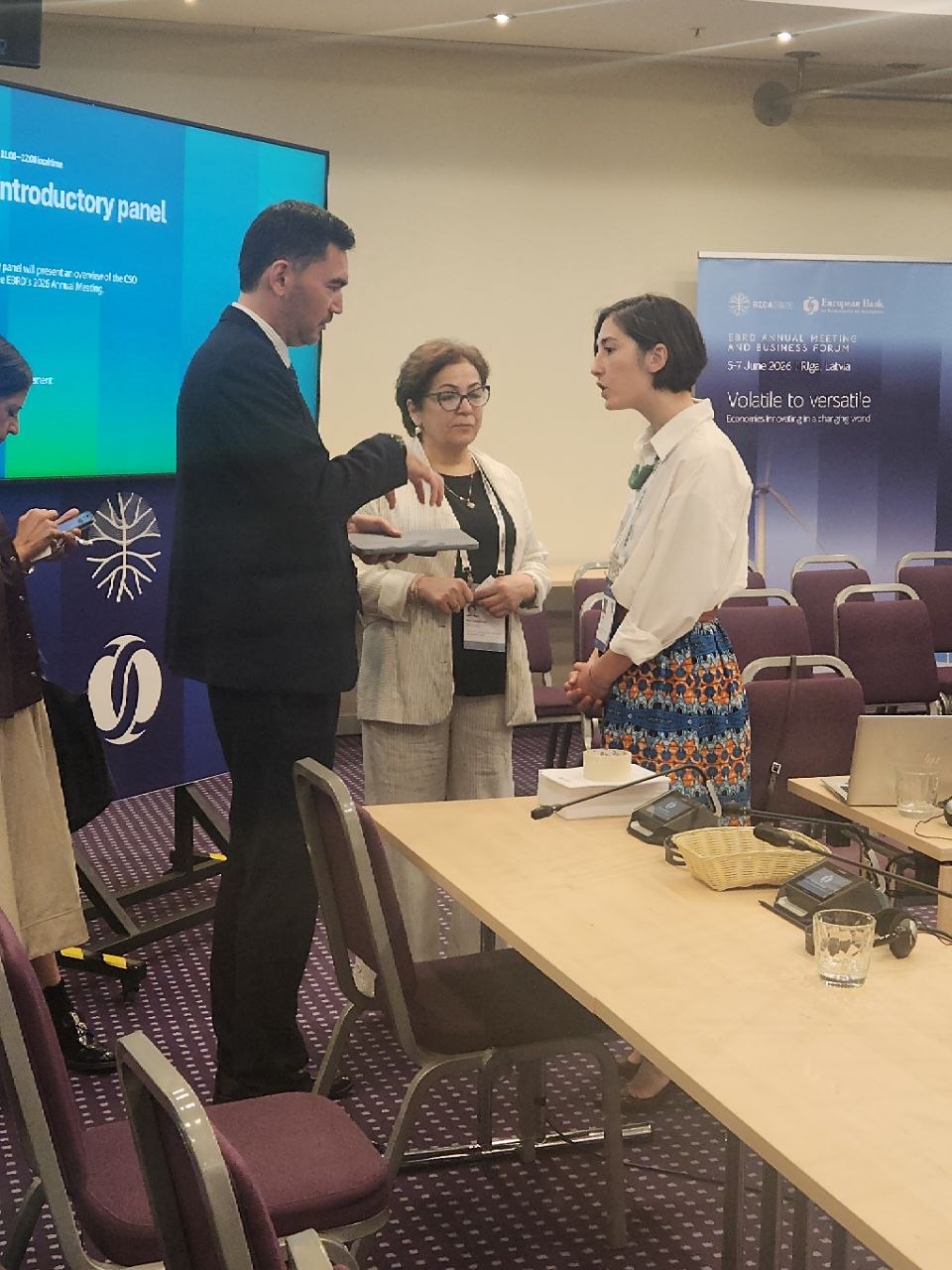
A key dialogue platform on the first day was the opening session for Civil Society Organizations (CSOs). Participants discussed mechanisms for public-private and social partnership, as well as the role of the non-profit sector in weathering economic shocks and supporting vulnerable populations.
Mavlyudakhon Shirinova, Director of RCSER "SABR," commented on the outcomes of the opening sessions:
"For New Uzbekistan and for SABR Center — which marks its 30th anniversary this year — participating in this platform alongside EU leaders and heads of state is a confirmation that civil society is a full-fledged architect of economic reform. At the CSO session, we saw a clear trend: international financial institutions are placing ever-greater trust in local NGOs.
The EBRD's focus today on the Central Asia–Europe nexus, articulated by Ms. Renaud-Basso, opens enormous opportunities for us. Our experience in implementing social contracting models, supporting women in microbusiness, advancing digital literacy and crafts — this is precisely what makes an economy versatile. We have brought to Riga real-world transformation cases and creative industry development stories that prove: investment in human capital and women leaders delivers the most sustainable long-term impact."
International Context of the First Day
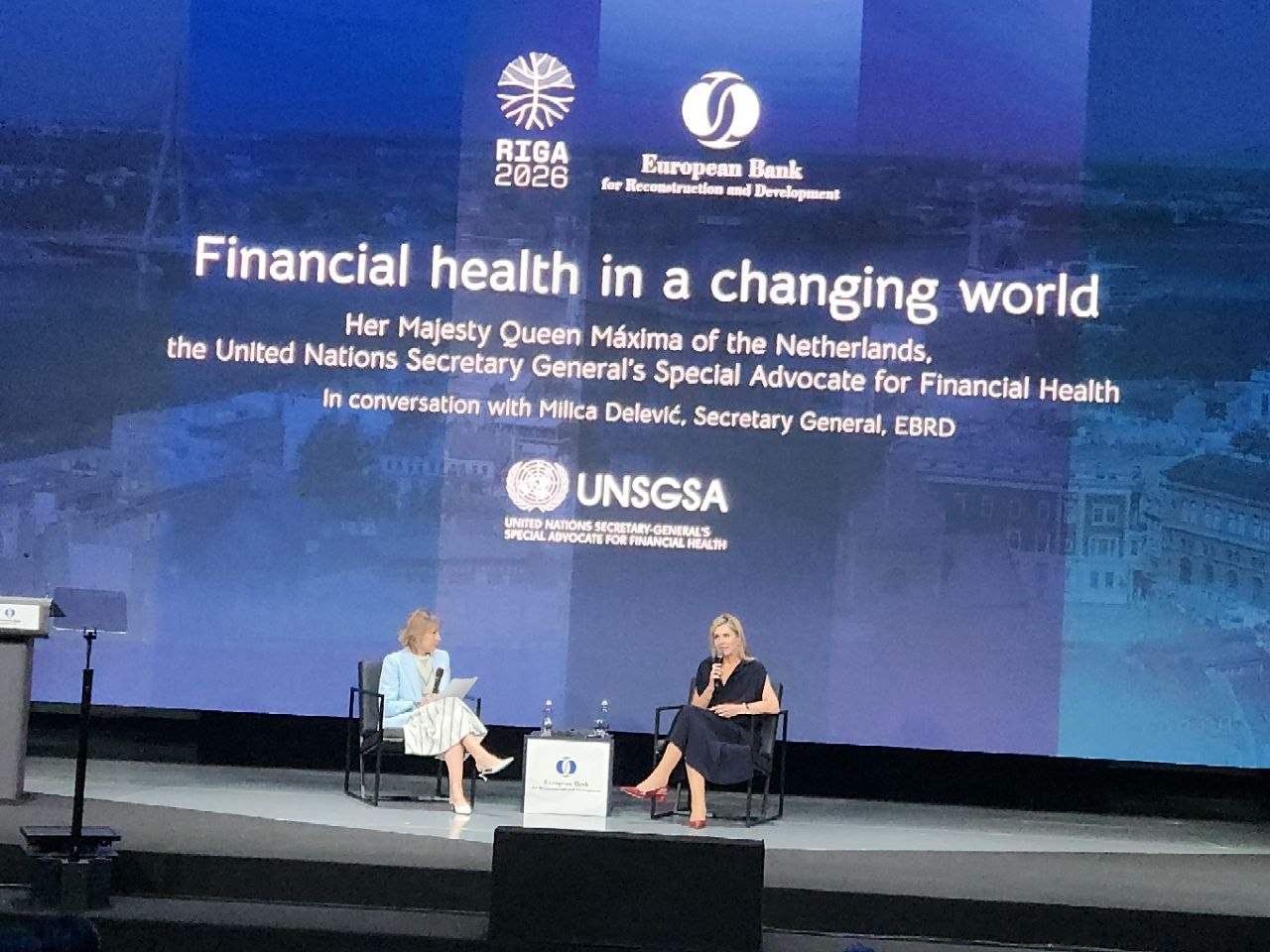
Among the distinguished guests joining the summit's discussions was Her Majesty Queen Máxima of the Netherlands (UN Secretary-General's Special Advocate for Inclusive Finance for Development), who underscored the critical importance of access to modern financial instruments for small businesses.
The EBRD Annual Meeting in Riga continues on June 6 and 7. In the coming days, the Uzbek delegation will hold a series of bilateral meetings to discuss attracting investment into the creative economy sector and expanding programs supporting women-led initiatives.
Press Office of RCSER "SABR" Email: sabrcenter@gmail.com Website: www.sabr.uz